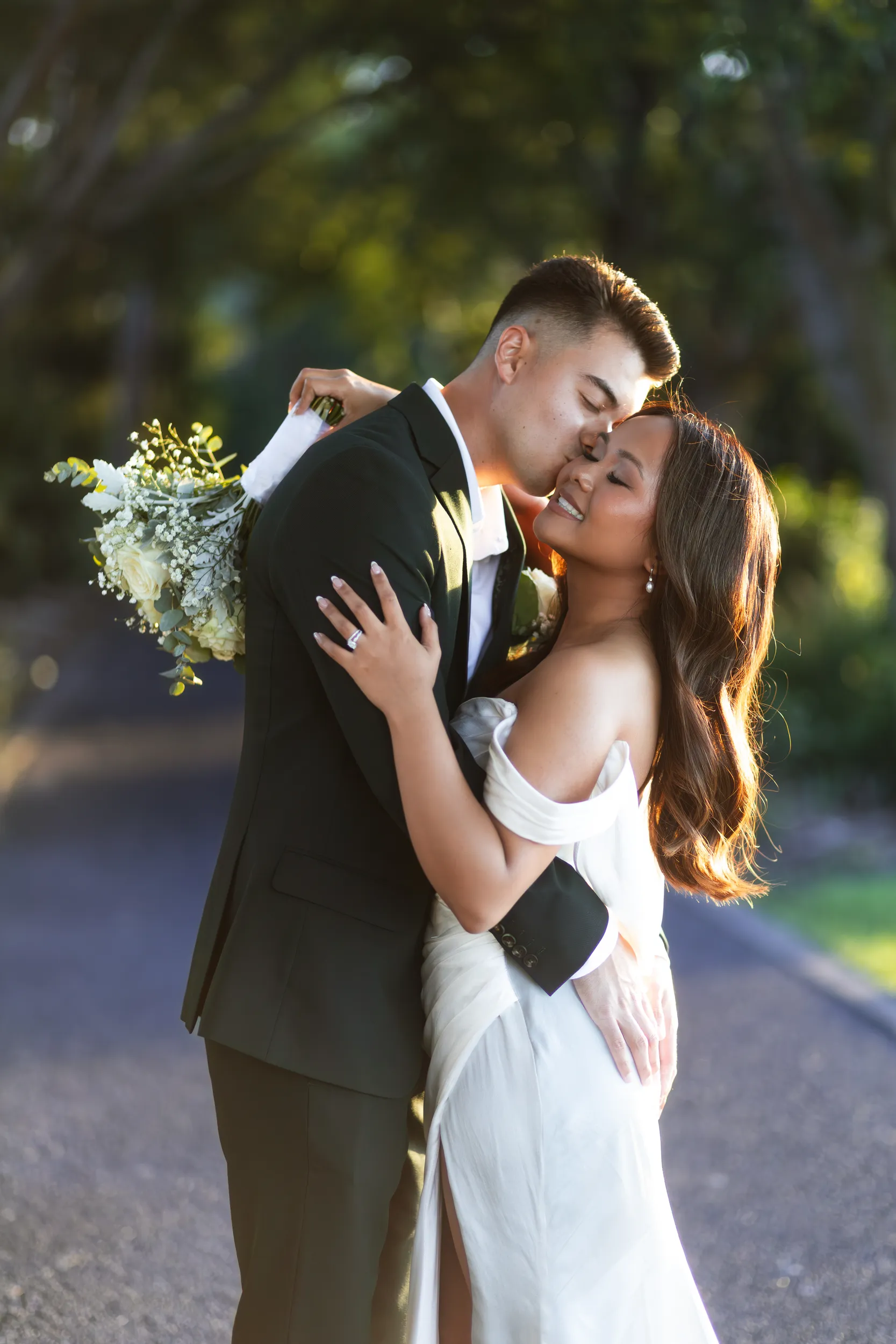
Photography Tips — 18 February 2026 — 7 min read
BRISBANE WEDDINGS BY SEASON: WHAT THE LIGHT IS REALLY LIKE
If you're planning a wedding in Brisbane, you've probably heard the usual advice: Golden hour is best or avoid midday sun. True... but the real game-changer is understanding how Brisbane light shifts across the year.
As a wedding photographer Brisbane couples book for natural, candid images, I plan a huge part of your timeline around light, not because I want to control your day, but because I want you to feel relaxed and end up with a gallery that looks the way you imagined.
This guide breaks down what the light is actually like in Brisbane by season, what it means for your photos, and how to plan around it without turning your wedding into a photoshoot.
FIRST: WHAT MAKES BRISBANE LIGHT DIFFERENT?
Brisbane has a few consistent traits that affect wedding photography year-round: bright, high-contrast sun (especially in spring and summer), fast weather changes (storms can roll in quickly), humidity haze that can soften or flatten light on some days, and earlier sunsets in winter and later sunsets in summer.
Translation: we can get stunning light in every season, but the best results come from planning for the conditions, not fighting them.
SUMMER (DECEMBER TO FEBRUARY)
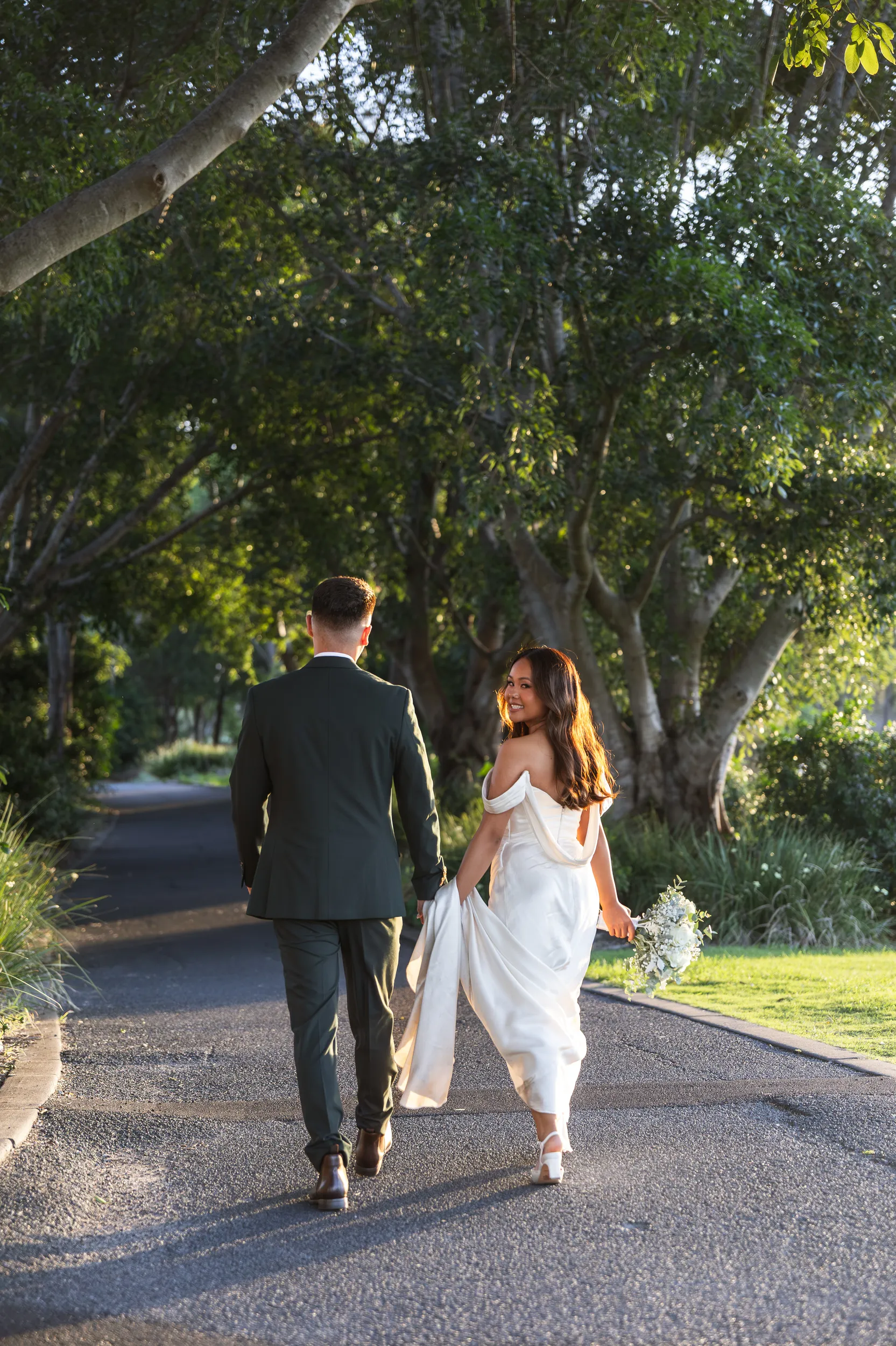
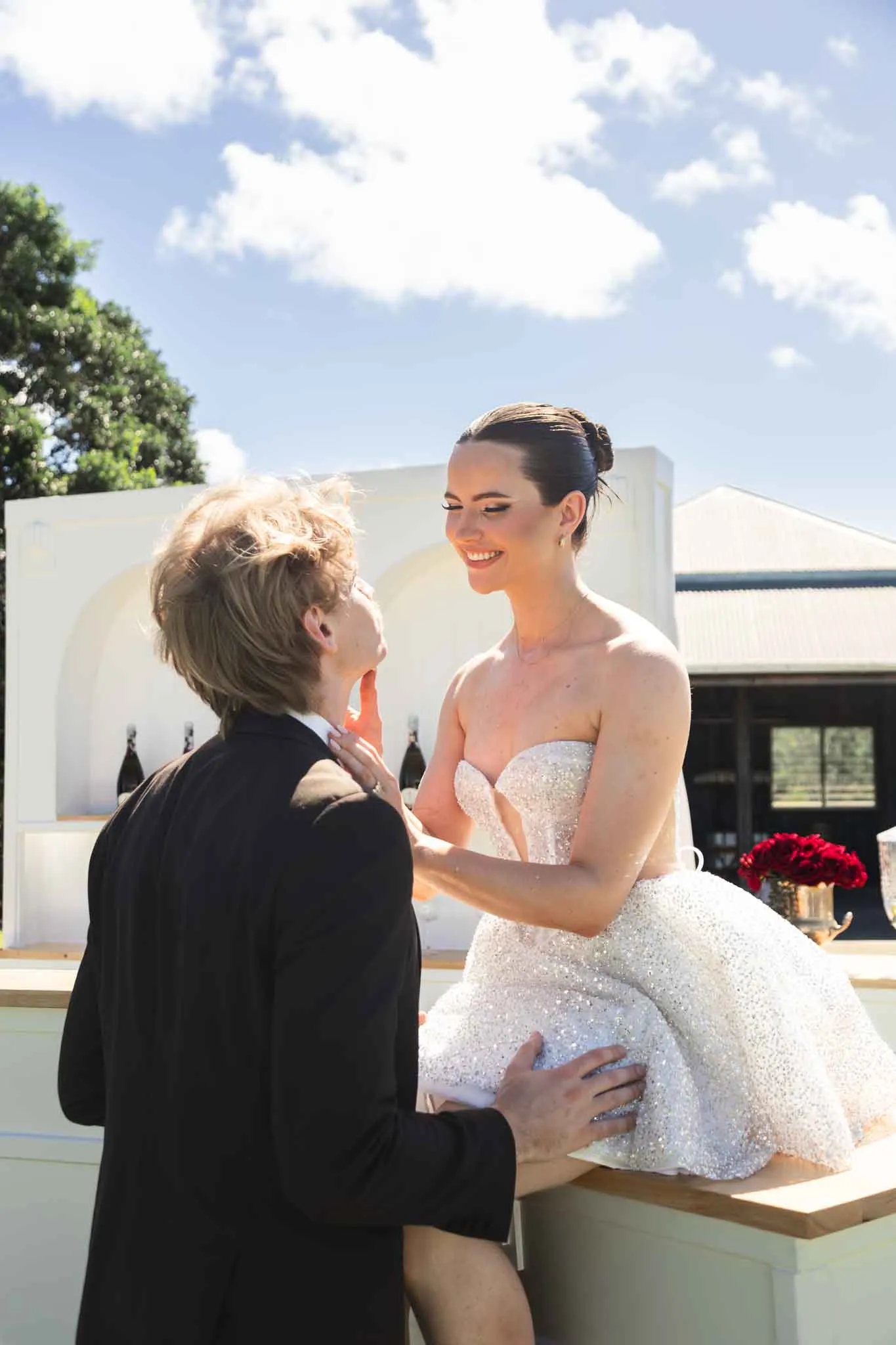
Summer in Brisbane is vibrant and intense. The sun is strong, shadows are sharp, and the air can be humid, which affects comfort as much as it affects photos.
What the Light is Like
Midday light is harsh (think strong shadows under eyes, shiny skin, squinting). Golden hour can be gorgeous but sometimes hazy. Storm clouds can create epic, cinematic skies. Indoor light becomes more important because couples often seek aircon.
What it Means for Your Wedding Photos
Outdoor ceremonies in full sun can look very contrasty. Portraits are best in open shade (under trees, verandas, building shade). Sweat and humidity can show up, especially in formalwear.
Tips I Recommend
If you can, choose a later ceremony time (late afternoon is your friend). Prioritise venues with shaded ceremony options. Build in short portrait blocks rather than long sessions outside. Keep blotting papers, water, and a small towel handy.
AUTUMN (MARCH TO MAY)
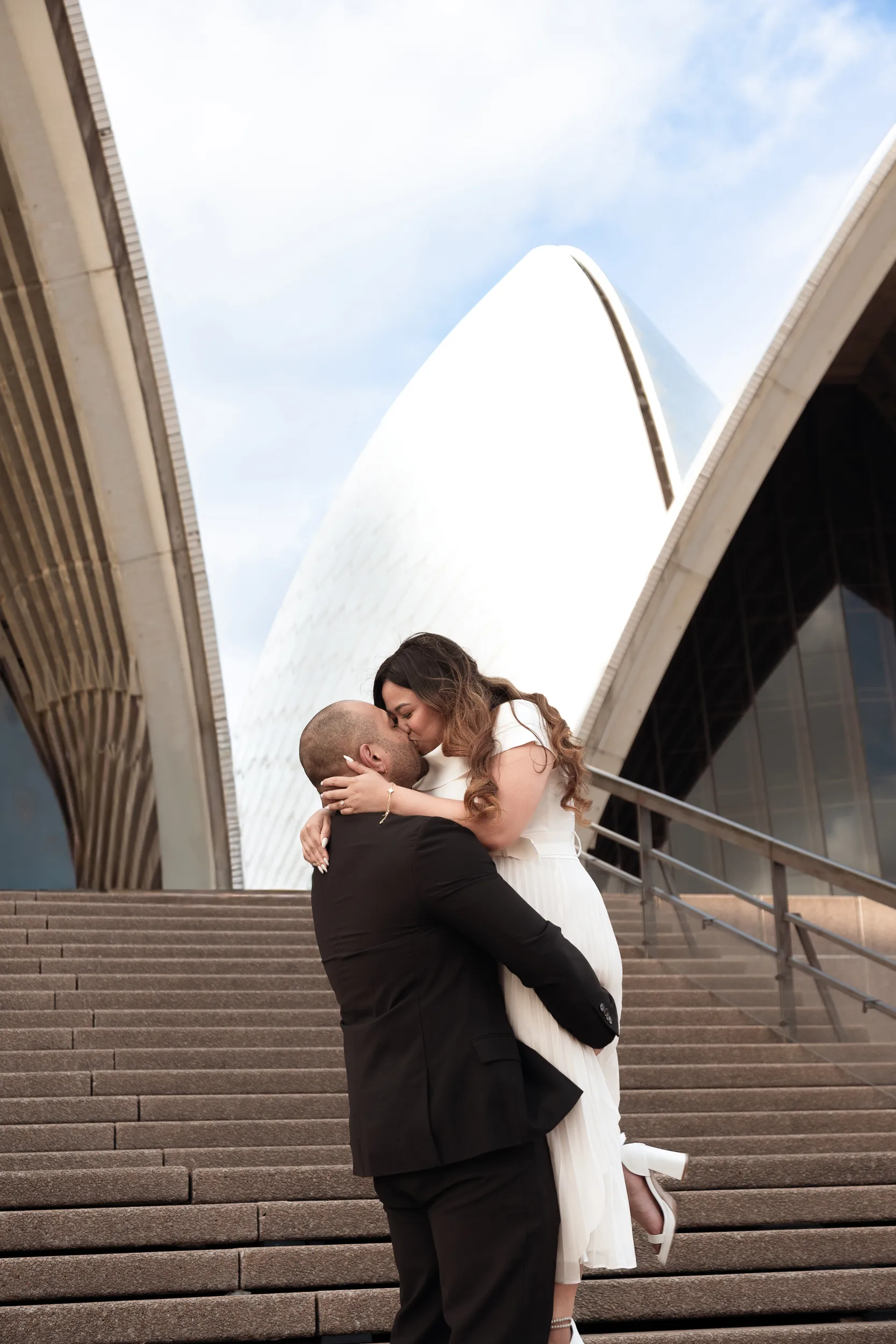
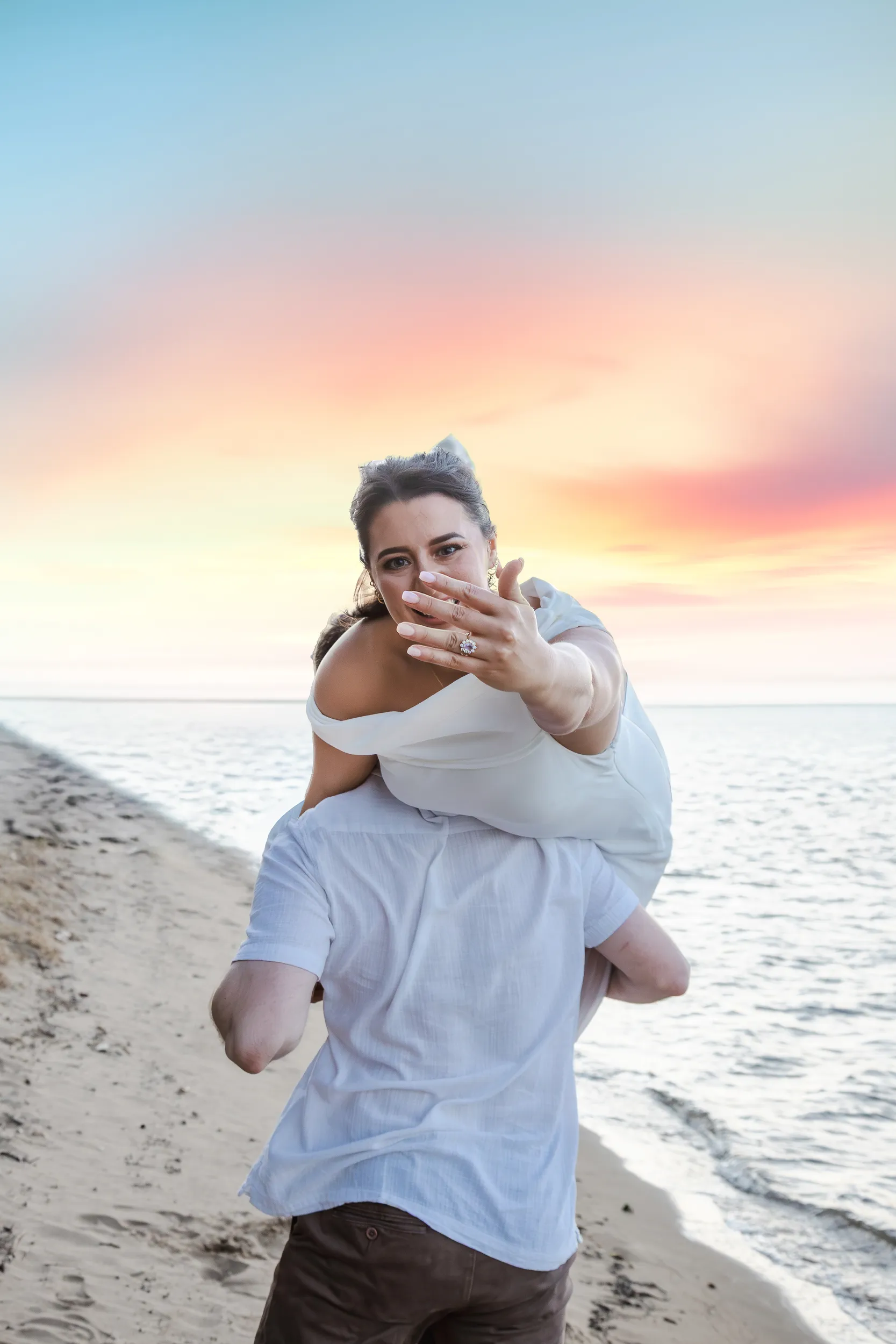
Autumn is one of the most forgiving seasons for Brisbane weddings. The heat starts to ease, the light softens slightly, and you often get more comfortable outdoor time.
What the Light is Like
Warm, softer afternoon light compared to summer. Less intense humidity (most days). Golden hour tends to be cleaner and more consistent.
What it Means for Your Wedding Photos
More flexibility for outdoor ceremonies. Portraits can look warm and flattering without as much squinting. You can often stay outside longer without everyone melting.
Tips I Recommend
Still avoid full midday sun for portraits if possible. If you want that glowy look, plan portraits for 60 to 90 minutes before sunset. Consider a venue with a mix of indoor and outdoor photo locations.
From a wedding photographer Brisbane perspective, autumn is the season where timelines tend to run smoother because we're not battling extreme heat or early sunsets.
WINTER (JUNE TO AUGUST)
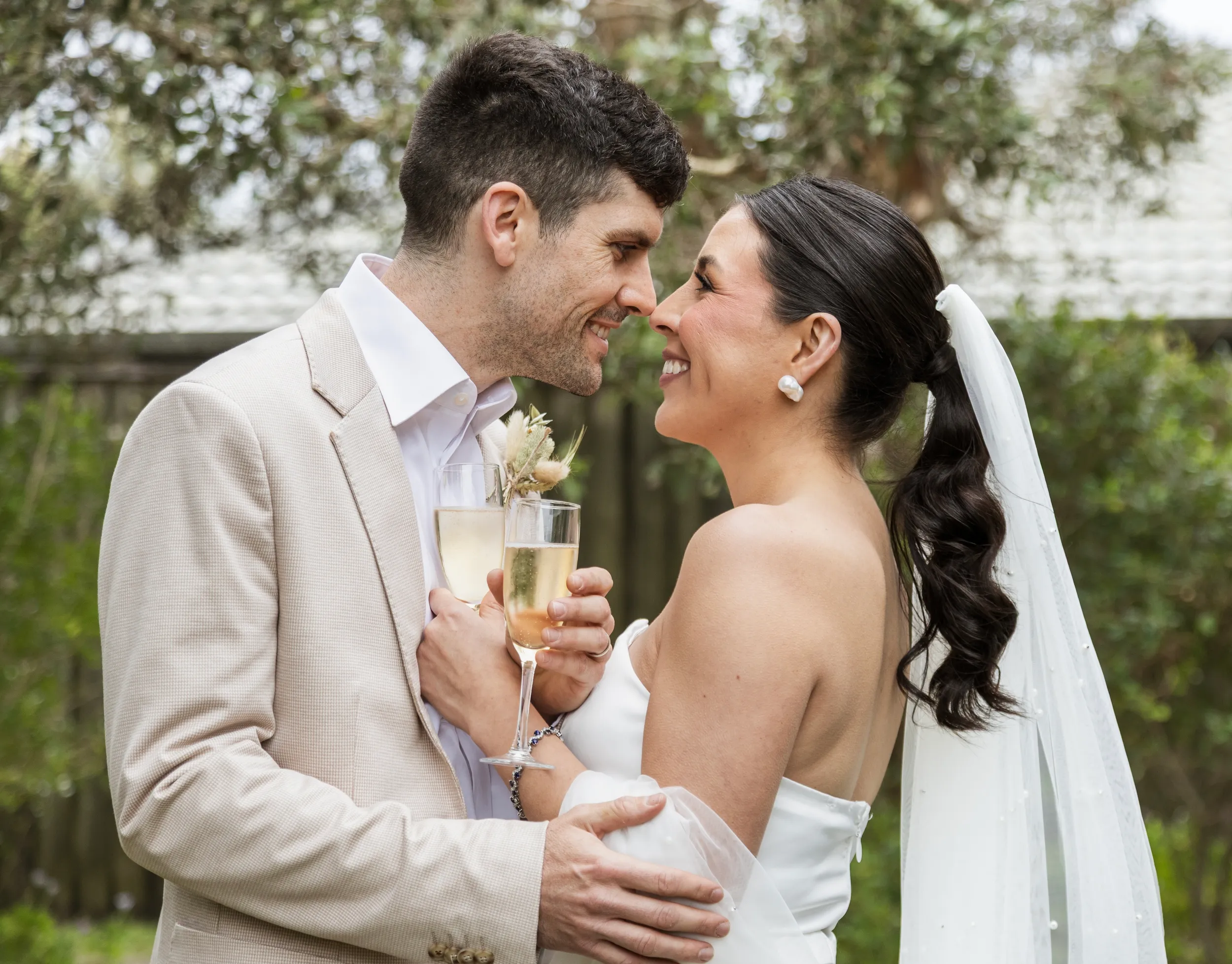
Winter in Brisbane is mild compared to most places, and the light can be absolutely beautiful. The biggest thing to watch is the earlier sunset.
What the Light is Like
Lower sun angle equals softer shadows and flattering light. Crisper, clearer skies on many days. Golden hour comes earlier and can feel extra warm. Nights are cooler, which can affect outdoor reception vibes.
What it Means for Your Wedding Photos
Winter is often ideal for outdoor portraits. You may need to do portraits earlier than you expect. If you're doing a late ceremony, you might lose natural light quickly.
Tips I Recommend
If you want golden hour portraits, lock in a timeline early. Consider doing couple portraits before the ceremony (a first look can help). Plan for warm layers if you're outside at night (especially for guests).
SPRING (SEPTEMBER TO NOVEMBER)
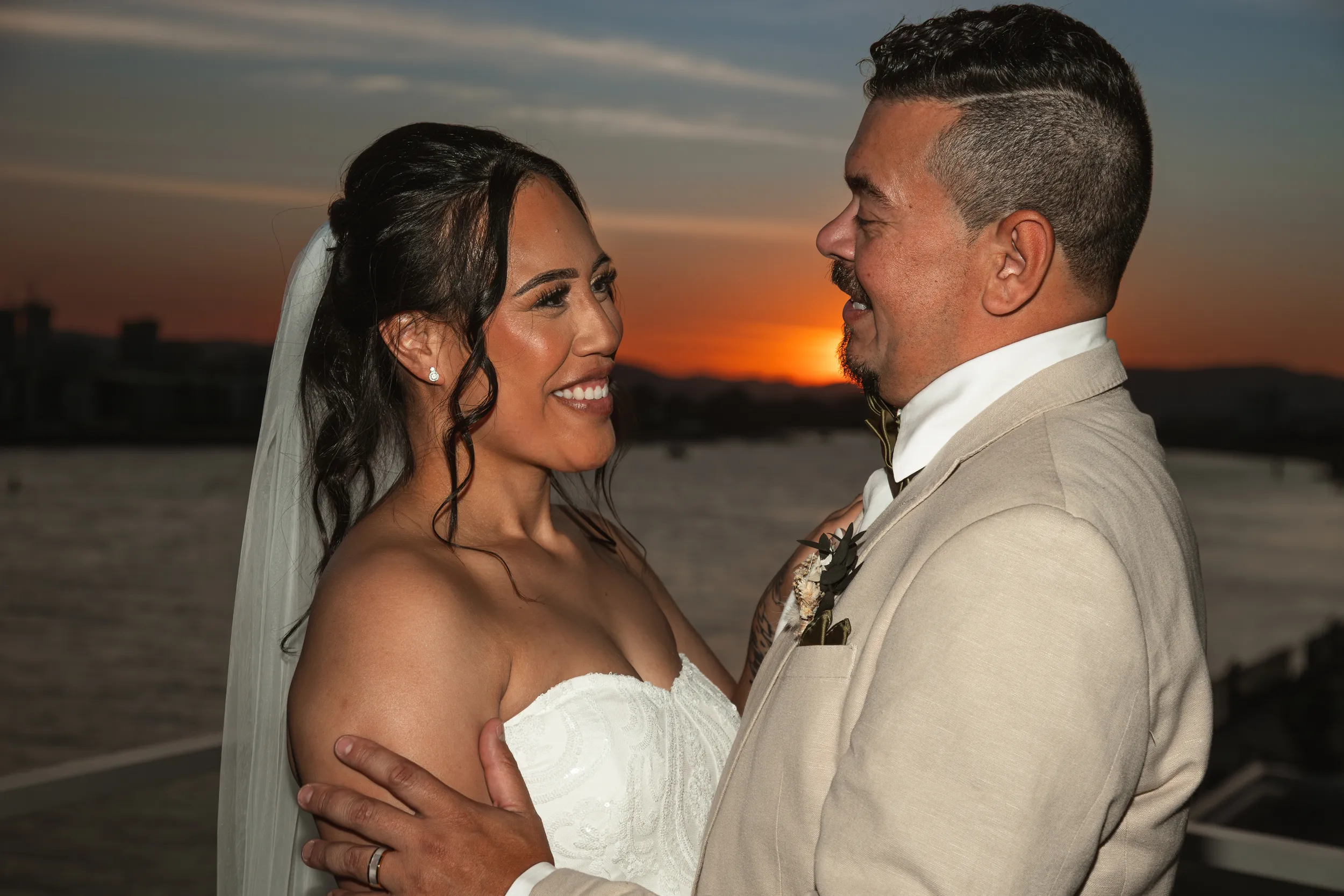
Spring is popular for a reason: the weather is warming up, gardens look incredible, and the days feel energetic. But spring light can swing between soft and very bright.
What the Light is Like
Bright, clean daylight (often less hazy than summer). Golden hour can be stunning and vibrant. Wind can pick up, especially in open locations.
What it Means for Your Wedding Photos
Florals and greenery photograph beautifully. Midday sun can still be harsh, especially on clear days. Wind can create movement (great for veils and dresses, tricky for hair).
Tips I Recommend
Pick ceremony locations with built-in shade or filtered light. If you're wearing a veil, plan for a few intentional veil moments in portraits. Have a hair plan for wind (pins, touch-up kit, and a realistic style).
THE TRUTH ABOUT GOLDEN HOUR IN BRISBANE
Golden hour is real, but it's not a fixed one hour block, and it doesn't look identical every day. In Brisbane, golden hour can be shorter in winter, longer in summer, warmer on clear days and moodier when clouds roll in.
The best approach is to plan a 15 to 25 minute portrait window during the best light, rather than trying to disappear for an hour.
If you want great light without stressing, here's what to prioritise: Choose a ceremony time that suits the season. Late afternoon is often easiest. Pick a venue with options: shade, indoor backup, and nearby portrait spots. Build buffer time. Light is predictable, but weddings do run late. Trust open shade. It's flattering, consistent, and perfect for candid moments. Plan one short golden hour break. Your future self will thank you.
Brisbane weddings can look incredible in every season, but the key is knowing what the light is really like and building a timeline that works with it.
Ready to tell your story?